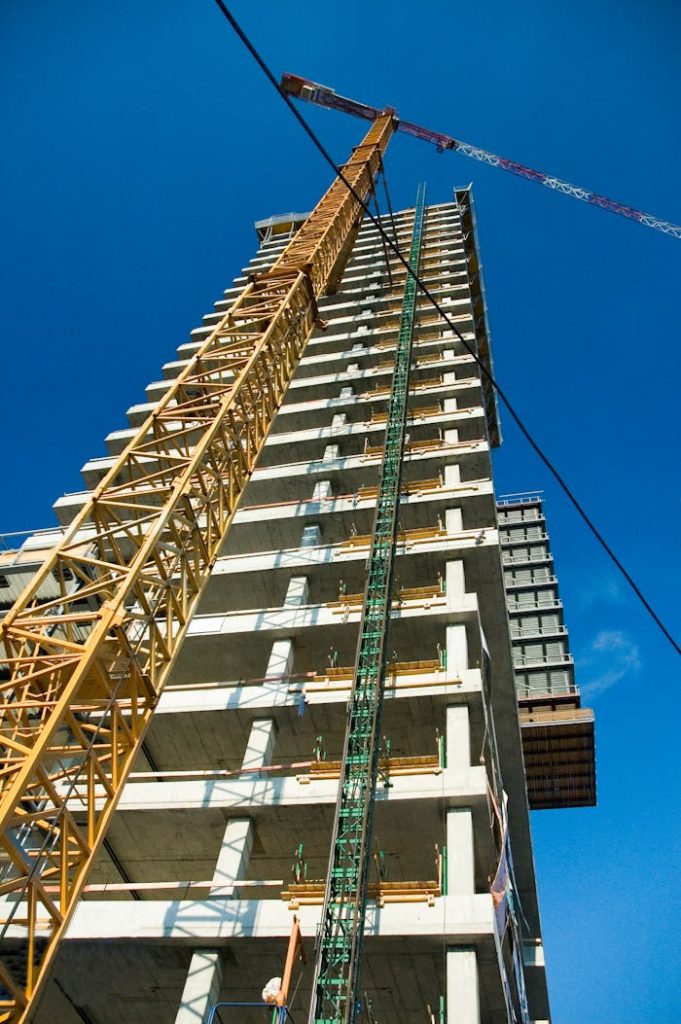

In today’s competitive construction environment, delivering a project successfully is about more than completing the structure—it is about managing time, cost, quality, and compliance with precision. Professional contractors follow a structured approach that transforms complex ideas into completed, functional buildings.
This article explains how experienced construction companies manage projects from initial planning to final handover.
1. Project Planning and Pre-Construction Preparation
Every successful construction project begins with thorough planning. During this phase, contractors work closely with clients and consultants to:
- Understand project objectives and scope
- Review approved drawings and specifications
- Develop timelines, budgets, and execution strategies
Strong pre-construction planning reduces risks, avoids delays, and ensures all stakeholders share the same expectations.
2. Resource and Manpower Management
Large projects require careful coordination of manpower, materials, and equipment. Professional contractors plan resources in advance to ensure:
- Skilled labor is available when needed
- Materials are procured on time
- Equipment is utilized efficiently
Proper resource planning directly impacts productivity, safety, and cost control.
3. Execution with Quality and Safety Control
During construction, quality and safety are managed through continuous supervision and inspection. Contractors implement:
- Approved method statements and work procedures
- Quality control checks at every stage
- Strict site safety standards
This disciplined approach ensures that work meets regulatory requirements and long-term performance expectations.
4. Coordination with Stakeholders
Successful project delivery depends on clear communication between all parties involved. Contractors coordinate regularly with:
- Clients and project owners
- Consultants and engineers
- Subcontractors and suppliers
Effective coordination helps resolve issues quickly and keeps the project moving forward without disruption.
5. Risk Management and Problem Solving
Construction projects often face unexpected challenges such as design changes, material delays, or site constraints. Professional contractors anticipate risks and respond by:
- Identifying issues early
- Implementing corrective actions
- Adjusting schedules and resources where required
Proactive problem-solving minimizes impact on time and cost.
6. Testing, Commissioning, and Handover
Before completion, contractors conduct inspections, testing, and final checks to ensure all works meet approved standards. A structured handover process includes:
- Final inspections and snag resolution
- Submission of required documentation
- Client walkthrough and project close-out
A smooth handover reflects the contractor’s professionalism and commitment to quality.
Conclusion
Delivering a successful construction project is the result of careful planning, disciplined execution, and strong coordination. Professional contractors who focus on quality, safety, and transparency create lasting value for clients and stakeholders.
At Atlas Prime, every project is approached with this structured mindset—ensuring reliability, compliance, and excellence from planning to handover.
Thanks < Atlas Prime Contracting LLC